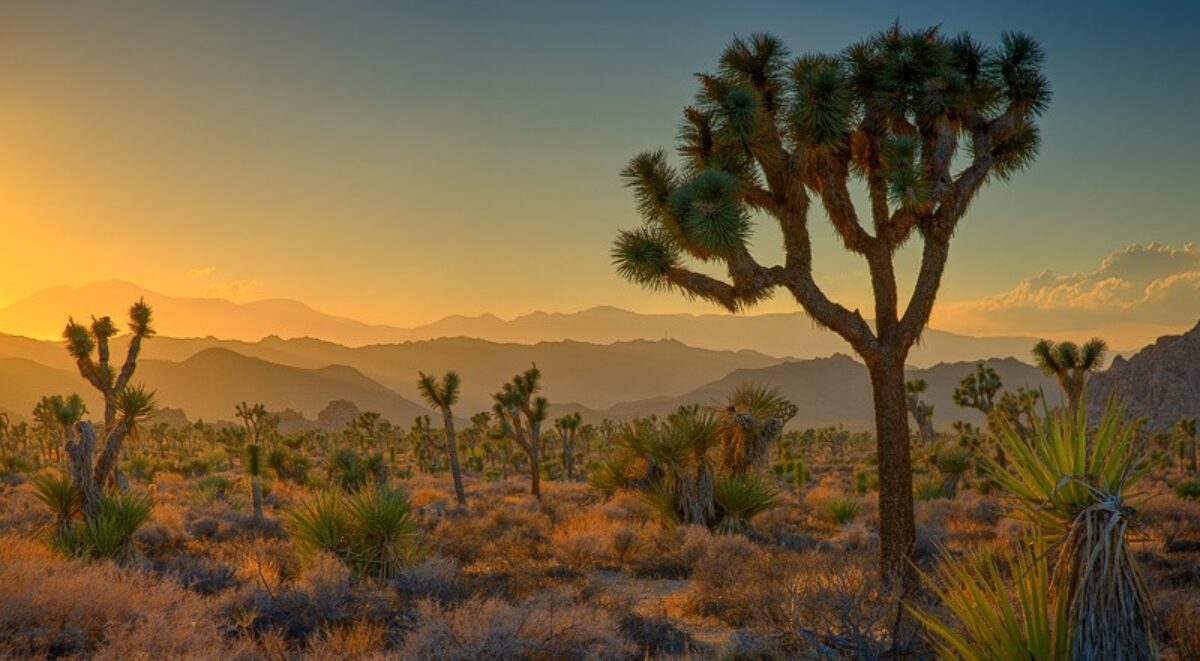
High dynamic range (or HDR) is a condition frequently encountered by landscape photographers where the digital camera’s sensor cannot handle the dynamic range of the scene. In other words, the scene has very bright highlights with areas of deep shadow. The resulting image will have clipped highlights (highlights that are pure white with no detail), clipped shadows (shadows that are pure black with no detail or at best, muddy) or both.
In digital photography we have several options including HDR, the techniques whereby we take multiple shots at varying exposures. The most underexposed image will capture the highlights and the most overexposed image will capture the shadows. Then we blend them all together with software like PhotoMatix Pro. The result is an image with bright highlights that still have detail and dark, crisp shadows, also with detail.
But what do film photographers do when they face this same situation? After all, film may not be able to capture the dynamic range of the scene any better than digital can. And with film there is not the option of taking multiple shots at different exposures and blending the negatives together.
Continue reading “How Ansel Adams Did HDR”
(8007)