Why HDR?
For many photographers, the term HDR is associated with a style of photography that is rather absurd – the grunge look. I’ve heard experienced photographers say they don’t use HDR because they don’t like the results. When the beta version of Photomatix, a product created by HDRsoft, made its debut on November 20, 2008, it automated a manual process that landscape photographers were using at the time. Occasionally, they would encounter situations where the dynamic range of the scene they wanted to photograph was greater than what the dynamic range their camera’s sensor could capture. So, they took two shots at different exposures that, when put together, covered the whole dynamic range of the scene. Then they stacked the two images in Photoshop and created masks to expose the highlights from the underexposed image and the shadows from the overexposed image. The final result was an image that captured the full dynamic range of the scene. Photomatix simplified this process by doing the blending. But instead of blending just two images Photomatix could blend three, four or even five images.
Photomatix also gave the photographer a choice on several different ways of blending the images. Grunge was just one of them and it took off like wildfire. There were a few grunge photos that were excellent, but most were mediocre at best. For many people, HDR became associated with the grunge look which gave it its bad name, and it became poor taste to shoot HDR.
But dealing with dynamic ranges in a scene that exceeds the technologies of the day wasn’t new. It goes back to the beginning of photography in the 1860s. After all, all cameras so far have a limit to the dynamic range they can capture whether they use Daguerreotypes, wet plates, dry plates, film or digital.
Back in the mid-1860s, Henry Peach Robinson was one of the founders of the Pictorialist movement, an effort to establish photography as a legitimate art form by creating photographs that looked like paintings. He published his most influential book titled Pictorial Effects in Photography: Being Hints on Composition and Chiaroscuro for Photographers in 1869. The title tells a lot about the book’s content except for the fact that he used a lot of oil paintings as examples. So, it’s no surprise that the book guided Pictorial techniques that resulted in photographs that looked like paintings.
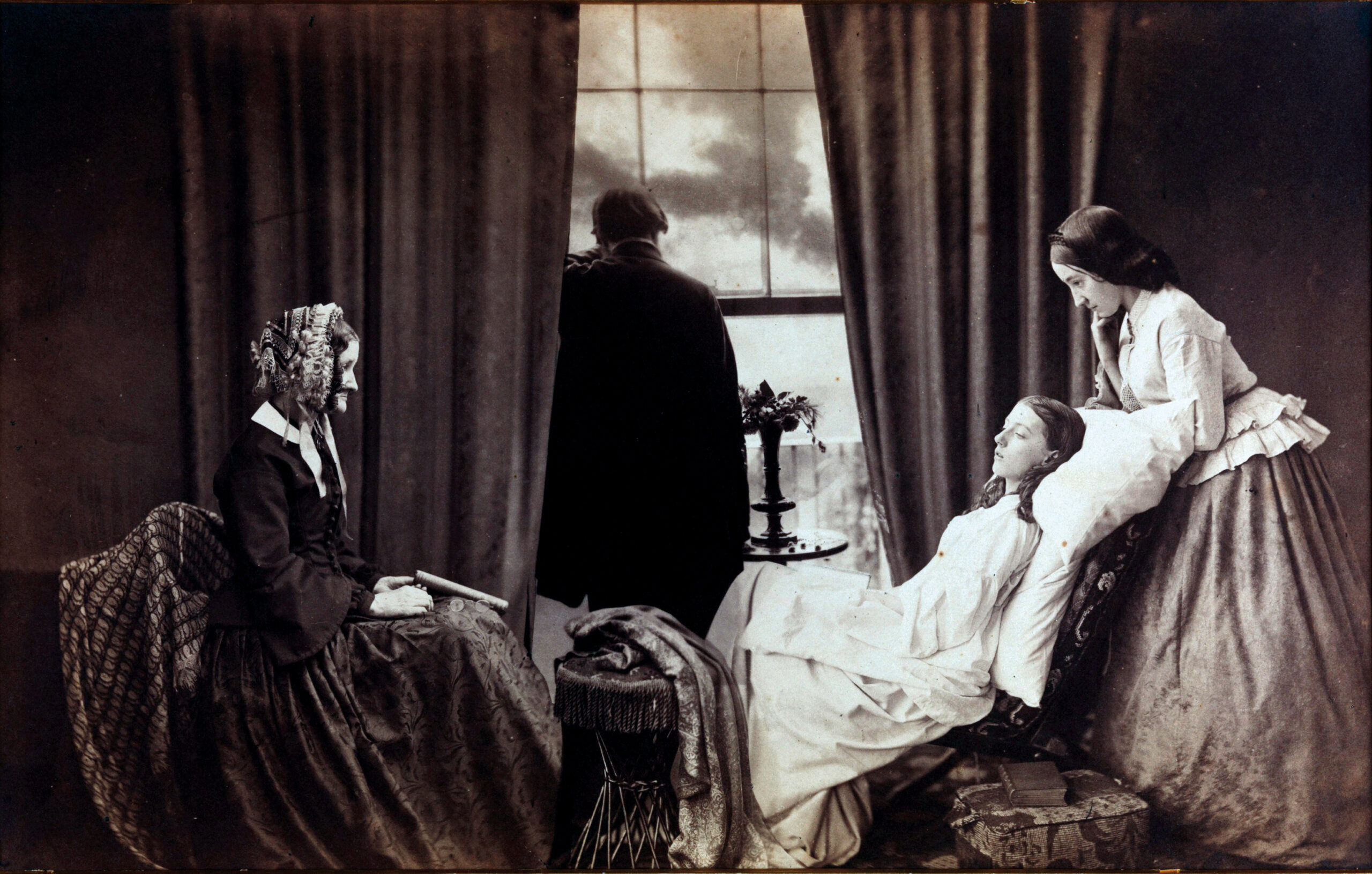
But Robinson also encountered this challenge when his wet plates could not capture the full dynamic range of the scene. In his book he describes exposing two plates at different exposures and blending them together when he made the print. (He was a genius at making composite images. His most well-known photograph, Fading Away, was a composite of five images.) So, right from the beginning the challenge of creating photographs of subjects that exceeded the ability of the medium to capture was recognized and solutions using the technologies of the day were developed.
Jump forward to 1940 when Ansel Adams and Fred Archer developed the Zone System. Without getting into the details of the Zone System, his approach to create negatives that captured detail in the shadows and the highlights was based on exposing for the shadows and developing for the highlights. With this technique, the vast majority of his images were successful but there were a handful for which this process did not work.
Occasionally, adjusting the development time was not enough to capture the details in the highlights. In his book The Negative, Adams describes the water bath technique he used to render a photograph of Old Faithful in Yellowstone National Park that had an extremely high dynamic range. He started the
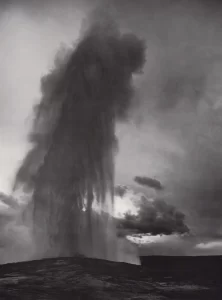
development process as usual by putting the exposed negative in the developer. But very quickly he took the negative out of the developer and placed it in a water bath. The dark areas exhausted the developer in a short time and stopped developing. But the highlight areas continued developing. By going back and forth both the shadows and highlights got properly developed. Although this technique was not called HDR, it did what HDR does – capture images that exceed the workable dynamic range of the medium.
Galen Rowell, one of the greatest photographers of the Sierra Nevada mountains and other beautiful landscapes around the world, was famous for his powerful color prints. Like so many landscape photographers of his time he used Velvia 50 for most of his landscape photographs because it rendered these images in the most dramatic and powerful way. Velvia 50, however, has a dynamic range of 5 stops. So, Rowell’s approach and advice was that to photograph nature you need to see nature the way your film sees it. Therefore, there were conditions such as dappled sunlight (which is beautiful) that Velvia 50 could not capture because of its limited dynamic range so he moved on.
So, the challenges of high dynamic range (HDR) have been with us from the very beginning. For nearly 200 years photographers have been dealing with this challenge, especially those who photograph nature with its unpredictable illumination. We occasionally encounter beautiful scenes worth capturing but where the dynamic range of the scene is greater than the fixed dynamic ranges of our cameras’ sensors. But, instead of moving on like Galen Rowell had to do, we have a way to capture the scene in a way that is very similar to the method Robinson used. We can take multiple shots at different exposures and blend them together.
The advantage we have that Robinson did not have is that we are using digital cameras and not wet plate negatives. And we have computers that not only run image processing software, but we also have the tools to blend images of different exposures together to creates single image that has detail in the shadows and the highlights.
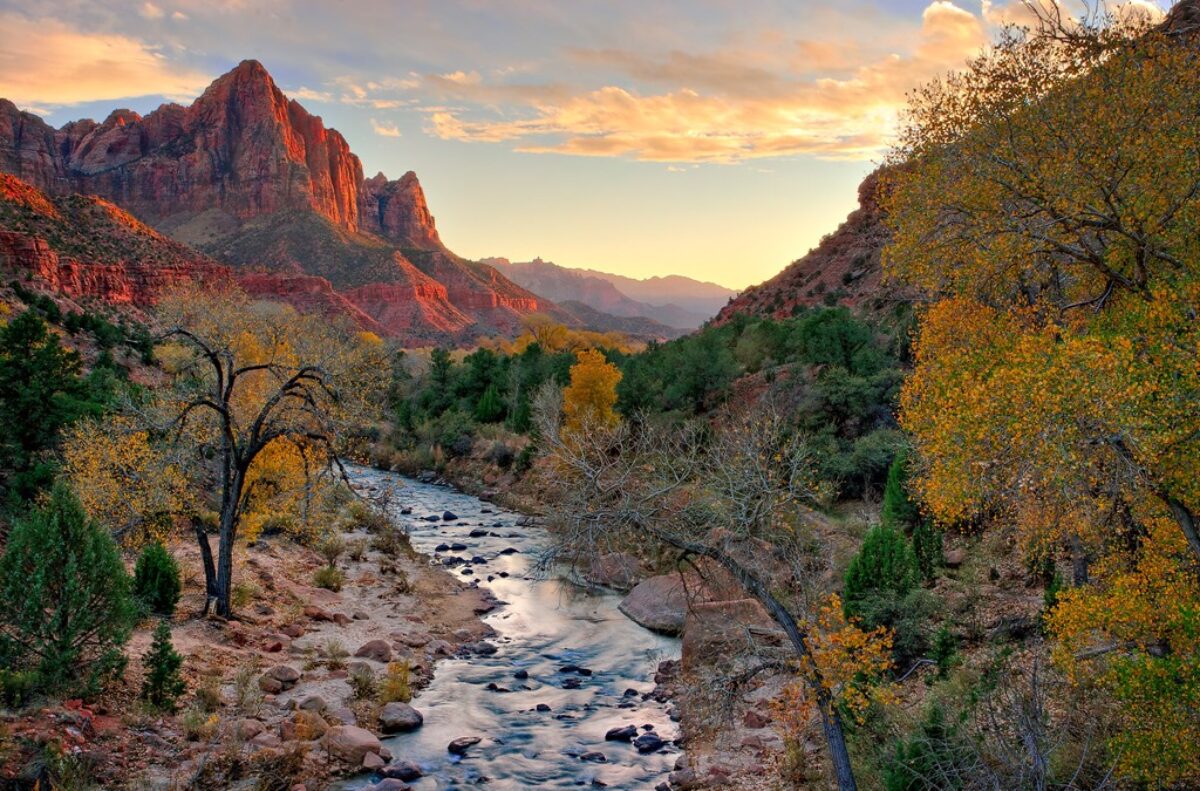
Photomatix Pro, the granddaddy of these blending tools, is still going strong and constantly improving. Yes, you can still create a grunge image but there are over 40 different presets to create different effects including several natural looks. I’ve been using Photomatix Pro for over fifteen years now and I would challenge anyone to pick out the photographs on my website that employed HDR.
Dealing with scenes we want to photograph that have a dynamic range that exceeds the ability of our cameras to capture is a reality that is not going away. In the end, the goal of landscape photography is to create images that capture the beauty of nature and reach out and touch our viewers. It is products like Photomatix Pro that, while being just another tool in our toolbox, open the door to creative expression.
So, Why HDR? Because it enables us to express ourselves through our photographs under any and all conditions that we may encounter.
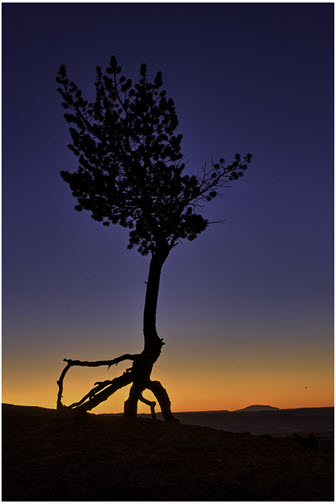
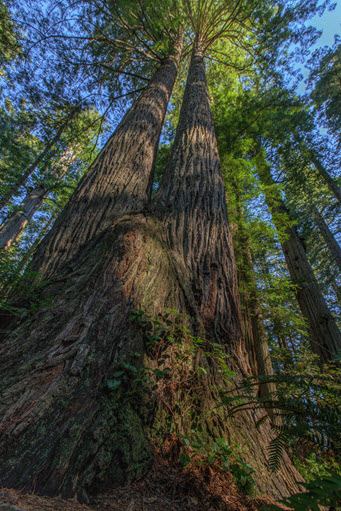
(115)

Great article! Enjoyed the historical review and the implications for our current HDR software. It is helpful to have the capability to combine 3-5 or more exposures of an image to cover the dynamic range that a single shot often can not capture. HDR was a life saver when shooting in the Redwoods. Lightroom and Photoshop also have good HDR capabilities.
Thank you for your comment, Lynda. There are still a lot of people who think HDR is cheating. But instead, it opens us up to capture images that we wouldn’t be able to do justice to with just a single exposure. Wishing you great light for your photographs.