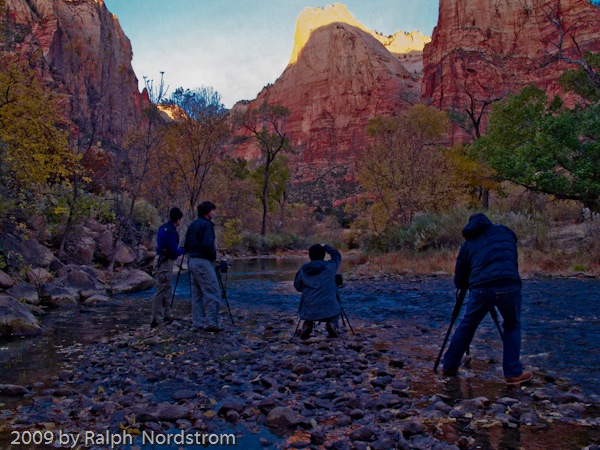
Do you love photography? Is it a passion within you? Are you inspired by nature? Do you want to get out to some great locations and come back with some stunning photographs? Do you want to become a better photographer?
If you answered ‘Yes’ to any of these questions, than you should consider taking a photography workshop (or another workshop if you’ve already started down that path).
What Makes for a Good Workshop?
What are the reasons for taking a photography workshop?
Well, first, you get to photograph an area with someone who is really familiar with it. They know both the great iconic locations plus some out of the way, intimate places. They are aware of how the light plays on the subjects and can get your to them at the best times of day. They can respond to developments with the light such as sudden storms and take you to the best locations to take advantage of them. In other words, they draw upon their intimate knowledge of the area to bring together the two most important factors that go into creating outstanding nature photographs – great subjects and fantastic light.
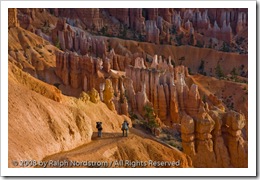
Second, good workshop leaders will freely share their ‘secrets’ with you. They have acquired a vast amount of knowledge, not only about the area but also about photography in general. They have their own personal approach to photography. There can be a lot you can learn from them and they are willing and eager to pass it along to you.
Third, good workshop leaders will spend time working with you one-on-one to help you develop your skills, whether they be creative or technical. They will spend time working with you in the field on things like exposure, focus and composition. They will look over your shoulder as you work and offer constructive comments and tips. They will also take time to review your work and provide you with ongoing feedback. They will also not confine their help to techniques in the field but help you with the critical post processing where the true potential of the photograph is ultimately realized.
The best workshop instructors will also probe you a bit to find out what you want to work on and help you with it. If you’re not sure, they can help you identify areas of focus. Their assistance will be very much personalized to your specific needs
How to Select the Workshop for You
There are several things you should think about and look for when selecting a workshop.
Start by thinking what you want to get from the workshop. Are you primarily interested in a new and exciting location? Do you want want to grow as a photographer? Are there specific skills you want to work on? Is there a photographer whose work you particularly admire? All of these factors are things you should consider when you start looking for a workshop.
Finding Candidate Workshops
Search engines such as Google and Bing are very effective in helping you find a workshop. Often people will search for a workshop in a particular location such as “photography workshop, Utah” or “photography workshop, Eastern Sierra.” This works well if your goal is to photograph in a specific area. These search sites can produce pages and pages of workshops, especially for the more popular workshop destinations.
Maybe you’re interested in a time of year such as “photography workshop, Napa Valley, fall” or “photography workshop, Death Valley, winter.” Searches like this can get you to locations when conditions are most favorable and also when you can take enough time off for the workshop.
Finally, you may be interested in the work of a particular photographer. Searches like “photography workshop, Ralph Nordstrom” or “photography workshop, Jack Graham” will prove effective.
Selecting the Workshop for You
Once you have a list of candidate workshops, how do you go about narrowing it down to just one?
You’ll find lots of information about the workshops on the web. Based on what it is you determined you most want to get out of the workshop, review the information. The following are factors you can consider.
Location
This is almost always an primary consideration. If you’ve searched for workshops by location you should have lots to choose from. Some websites will post itineraries. Some will be general while others are very specific. Take these itineraries with a bit of a grain of salt, especially the very detailed ones. Rarely does a workshop follow the itinerary. Conditions will change and the good workshops will adjust to make the most of them. Itineraries are good, however, to give you an idea of what sites you will be photographing.
Time of Year
This is often another important consideration. The workshop schedule need to fit with your availability. But more importantly, they need to be scheduled when the light is the best for the location. Again, if you searched for this you should have a sufficient number of workshops to choose from.
Personal Attention
This is where some workshops start to stand out from others. This is the single most common reason workshop attendees are not totally satisfied with a workshop. Review the information carefully to see what it says about one-on-one attention. Read the references from past workshop attendees. If the workshop leader does not call attention to this either in the information they provide or comments from past participants, chances are you’ll be disappointed in the level of attention you receive.
Reviews
Will the leader review your work? This should occur early and often. This way you can incorporate the feedback into subsequent photographs and practice the things they share with you. Another aspect of this is print reviews. Does the leader invite you to bring along prints of your work for review and feedback. Again, review the information carefully looking for some mention of this. If you don’t see it you may want to strike that workshop from your list.
Assignments
Will you be given assignments during the workshop? Assignments with the follow-up reviews are terrific learning tools and you could benefit greatly from them. Again, if this would be of interest to you review the information to determine if assignments will be offered.
Reputation of the Photographer
You may admire the work of a certain photographer and want to study with them. In that case this could be a primary consideration. Chances are excellent that they will be going to great locations at the best times of the year. If the photographer is well known, one thing to keep in mind is their workshops fill quickly (often a year in advance) and they can be pricy – supply and demand you know. Also, some of the big name photographers will give you lots of personal attention, some will make themselves available for questions but not necessarily reach out to you with suggestions and still others, it’s sad to say, will spend virtually all their time photographing along side you.
Cost
No discussion of workshops would be complete without a word or two about cost. As mentioned above, the big name photographers will charge commensurate prices. A few include transportation from the meeting point, lodging and meals but this will usually run several thousands of dollars for a three to five day workshop. Some of the really high end workshops run as high as $10,000 and more. Others will charge four figures but leave all the transportation, lodging, meals and fees to you. You’ll have to evaluate these workshops to determine if you’ll get want you want from them and if it’s worth the price.
There are a lot of lesser known photographers whose workshops are terrific values. Many of these are very talented photographers in their own right. Because they’re not as well known their workshops will be more affordable, often half that of what the better known photographers are charging. And many of them will work very hard to add value that may be missing from the big name photographers. Generally, this value will be in the form of more personal attention. When selecting a lesser known photographer’s workshop, be sure to check out his or her work to see if it’s what you like. It doesn’t make a lot of sense to take a workshop from a photographer whose work you’re not particularly impressed with, no matter how inexpensive it is.
Contact the Photographer
If you think a particular workshop is for you but you still have questions, don’t hesitate to contact the photographer. Send an email or make a call. Ask your questions. Don’t pass up this step. The photographer will be happy to explore the suitability of his or her workshop with you.
Photography workshops are excellent ways to take your photography to the next step. But workshops can be costly. So, when you’re ready to take that step it’s important to make the right decision. Following the suggestions discussed in this article will help you select the workshop that is right for you.
Join me on an upcoming workshop.
To see more of my photographs click here.
Become a fan on Facebook and follow along.
(1178)
Like this:
Like Loading...